Modern vehicles increasingly rely on vehicle step systems to improve accessibility, safety, and convenience for passengers. Whether for high-clearance SUVs, vans, commercial fleets, or mobility-focused vehicles, steps help bridge the gap between ground and cabin with minimal effort.
In this guide, we explain how electric sliding steps and electric folding steps work, compare key types such as single folding step and double folding step, and offer practical insights for selecting the right solution.
Structured Summary
Definition: A vehicle step system is an automated or manual platform that extends to assist boarding and retracts for travel.
Main types: Electric sliding steps, electric folding steps, single and double folding steps.
Best for: SUVs, vans, mobility vehicles, commercial transport.
Key benefit: Enhanced accessibility and safety.
Limitation: Installation and space requirements must match vehicle design.
What Is a Vehicle Step System?
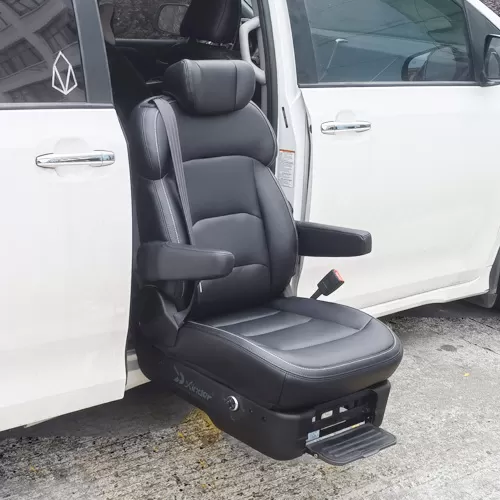
A vehicle step system is an engineered step that deploys from beneath a vehicle’s door or side body to create a stable platform for passengers to step onto or off the vehicle. Unlike fixed running boards, these systems often operate automatically in response to door opening or a control signal, minimizing manual effort and improving ease of access.
These systems are especially useful on vehicles with high ground clearance, where the height from ground to cabin can make boarding difficult without assistance. Electric step systems enhance usability for elderly passengers, those with mobility limitations, and frequent users in commercial or fleet settings.
Types of Vehicle Step Systems
Electric Sliding Step
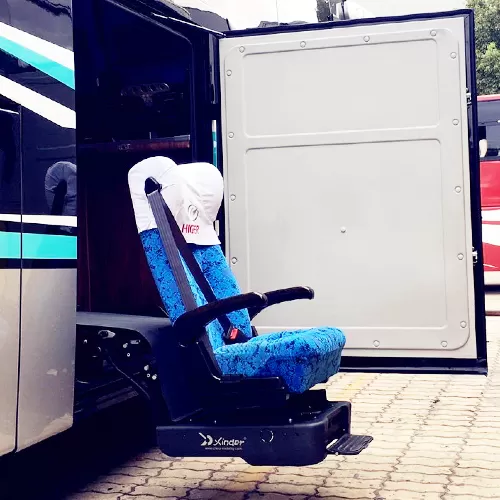
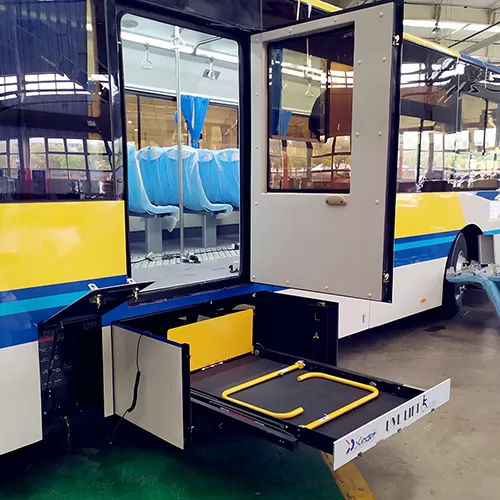
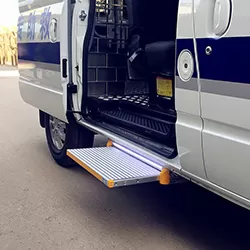
An electric sliding step is motor-driven and extends outward from beneath the vehicle when the door opens, retracting when the door closes.
Automatic deployment: Activates with door linkage or button control.
Smooth operation: Electric motors and sliding rails ensure stable extension.
Safety features: Anti-pinch protection, anti-slip surfaces, and sensor controls.
Electric sliding steps are ideal for vehicles where frequent boarding occurs, such as shuttle vans, ambulances, or family vehicles. The automatic nature improves accessibility without requiring physical effort.
Sliding Step (Manual or Powered)
A sliding step can also be manual or powered. Manual sliding steps extend and retract by hand and are often chosen for simpler applications or cost-sensitive projects. Powered sliding steps use motors for automatic operation and are better suited to frequent use cases.
Electric Folding Step
An electric folding step combines electric actuation with a folding mechanism that tucks the step under the vehicle when not in use.
Space-efficient: Folding design reduces intrusion into passenger space.
Automatic control: Extends with vehicle door signals or control switches.
Customization: Options for different step counts and widths.
Electric folding steps are particularly effective for vehicles with limited under-body space or where compact design is essential.
Single vs. Double Folding Steps
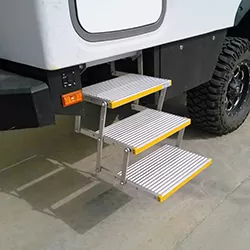
Single folding step: A single platform that folds out, ideal for moderate height differences and simpler installations.
Double folding step: Two-stage steps that provide additional reach for taller vehicles or larger entry heights.
Both configurations can be motorized or manual, and choosing between them depends on vehicle height, user needs, and installation constraints.
Electric vs. Manual Operation
| Feature | Electric Steps | Manual Steps |
|---|
| Deployment | Automatic | Manual |
| Convenience | High | Moderate |
| Safety Features | Advanced | Basic |
| Best Use Case | Frequent use | Occasional use |
| Cost | Higher | Lower |
Electric systems are generally preferred for vehicles with high boarding frequency or mobility assistance needs, while manual options may suit budget-conscious builds or infrequent use
.
Key Factors When Choosing a Vehicle Step System
1. Vehicle Type and Clearance
High-clearance vehicles such as SUVs, vans, and commercial trucks benefit most from powered step systems, as they reduce the vertical distance passengers must climb.
2. Frequency of Use
If a vehicle is used regularly for passenger transport or mobility services, electric sliding or folding steps are more reliable and user-friendly. Manual steps may suffice for occasional access needs.
3. Load Capacity and Safety
Choose steps rated for appropriate load capacity and with anti-slip surfaces, especially in wet or variable terrain conditions.
4. Installation and Space
Ensure the vehicle’s body and under-carriage provide adequate space for step deployment without interfering with suspension, fuel lines, or other systems.
Common Mistakes to Avoid
Selecting a step system without verifying vehicle compatibility.
Ignoring load capacity requirements.
Overlooking safety features such as anti-pinch sensors or anti-slip surfaces.
Choosing manual systems for high-frequency applications.
How Xinder Supports Vehicle Step Solutions
Xinder offers a range of step systems, including electric sliding steps, electric single folding steps, and electric double folding steps, designed to meet diverse vehicle requirements.These solutions are engineered for:
Reliable automatic operation.
Compatibility with multiple vehicle types.
Enhanced safety and user convenience.
Conclusion
Vehicle step systems, whether electric sliding steps or electric folding steps, play a crucial role in improving accessibility and safety for modern vehicles. By understanding differences such as single folding step versus double folding step and weighing factors like usage frequency and vehicle type, you can choose a solution that enhances passenger comfort and operational efficiency.
FAQ
What is an electric sliding step?
An electric sliding step is a motorized platform that automatically extends from beneath a vehicle to assist boarding and retracts when not in use.
What’s the difference between sliding and folding steps?
Sliding steps extend linearly from under the vehicle, while folding steps unfold and tuck away, offering space-efficient solutions.
When should I choose a double folding step?
Double folding steps are ideal for vehicles with higher entry heights or when additional step reach is needed.






 English
  한국어
한국어  français
  Deutsch
  Español
  italiano
  русский
  português
  Malay
Malay  Indonesia
  العربية