Swivel seats have become an increasingly important solution for improving vehicle accessibility and comfort for people with limited mobility. Whether you’re considering a vehicle swivel seat for everyday use, exploring options for a swivel passenger car seat, or integrating mobility solutions with wheelchair loading winches, this guide explains what swivel seats are, how they work, and how to choose the right option for your needs.
What Is a Swivel Seat?
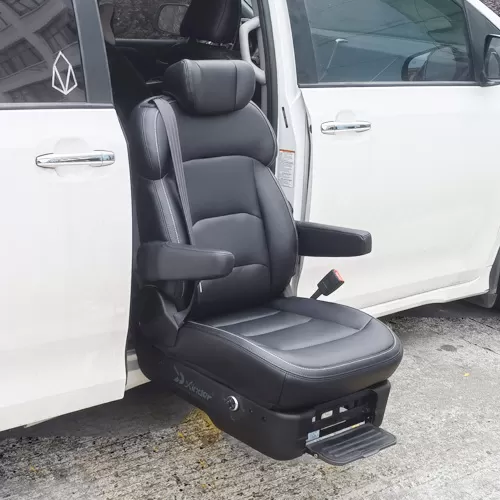
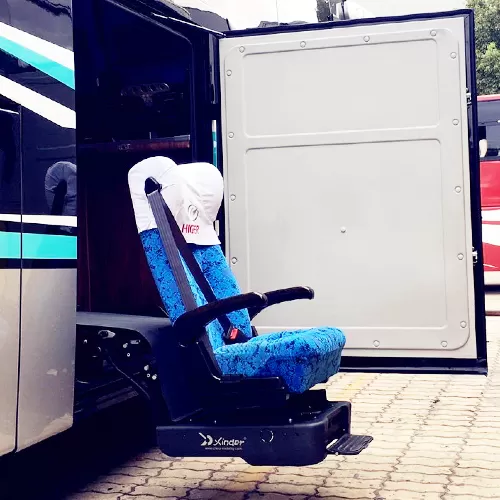
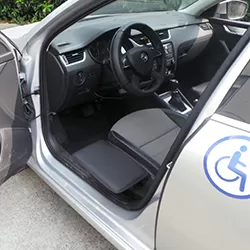
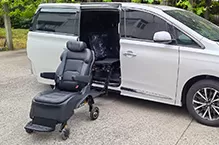
A swivel seat is a vehicle seat mounted on a base that allows it to rotate, typically up to 90 degrees, so that the occupant can enter or exit the vehicle with less effort and strain. This can make a significant difference for people who find traditional seating positions difficult due to limited mobility, strength, or flexibility. Swivel seats can be installed on the driver’s side or passenger side and are available in manual, electric, and programmable versions depending on the level of automation and ease of use desired.
Why Swivel Seats Matter for Accessibility
Swivel seats are designed to:
Reduce physical strain during entry and exit from the vehicle.
Enhance independence for individuals who might otherwise need assistance.
Integrate with mobility adaptations, such as transfers from a wheelchair or using a wheelchair loading winch.
A properly designed swivel system can make a car with swivel seat function more like a mobility-adapted vehicle, offering comfort and dignity to users with mobility challenges.
Types of Swivel Seats
Swivel seats are broadly classified by how they operate:
1. Manual Swivel Seats
Manual swivel seats rotate by hand. They are typically more affordable and reliable, but they require some physical effort to turn the seat. These are suitable when the user has enough upper body strength to assist with the movement.
2. Electric Swivel Seats
Electric swivel seats use a motor to rotate the seat at the push of a button. They are ideal for users with limited strength or flexibility and can often be combined with forward/backward movement or height adjustment for easier transfer.
3. Programmable or Fully Automated Swivel Seats
These systems are pre-programmed to follow specific movement patterns. They can rotate, extend, and even lower the seat for optimized transfer into or out of the vehicle.
How Swivel Seats Work with Wheelchair Access Solutions
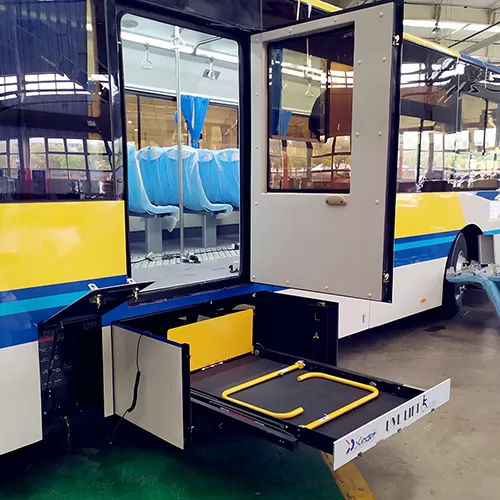
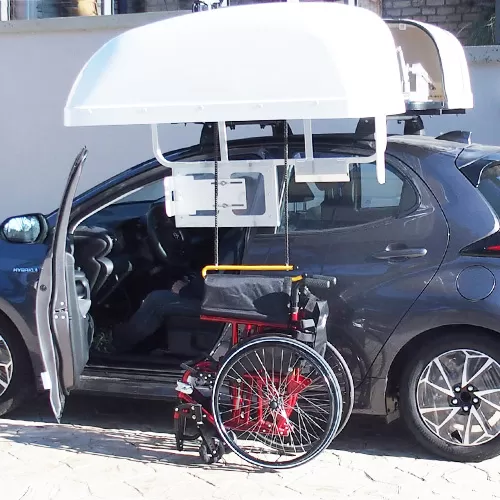
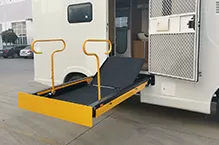
For many users, swivel seats are part of a broader set of mobility adaptations. While swivel seats assist with entry and exit, other solutions such as wheelchair loading winches and lifts help bring mobility devices into the vehicle.
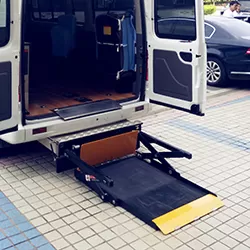
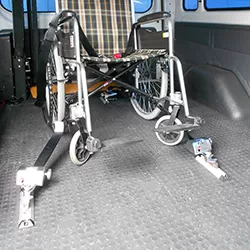
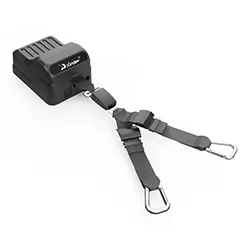
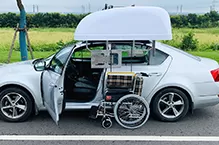
A wheelchair winch or winch for wheelchair accessible vehicle can be used to lift and secure a wheelchair or scooter into the vehicle.
Once inside, a swivel seat can facilitate a smooth transfer from wheelchair to car seat, reducing strain and improving safety.
Combining these technologies ensures a more seamless and user-friendly experience for people with mobility needs.
Benefits of Swivel Seats
| Feature | Manual Swivel Seat | Electric Swivel Seat | Programmable Swivel Seat |
|---|
| Ease of Use | Moderate | High | Very High |
| Physical Effort Required | Yes | No | No |
| Cost | Lower | Mid | Higher |
| Customizable Movement | Limited | Moderate | Extensive |
| Integration with Winch/Lifts | Yes | Yes | Yes |
This comparison helps users understand the differences and choose based on mobility needs, budget, and comfort.
Choosing the Right Swivel Seat
When selecting a mobility swivel car seat or swivel passenger car seat, consider the following:
User’s physical ability – Can they operate a manual system, or is electric assistance needed?
Vehicle compatibility – Some vehicles may require professional installation for a swivel system to work properly.
Integration with other accessibility aids – Think about whether you also need a wheelchair winch or other adaptive devices.
Safety standards and compliance – Swivel seats should meet applicable safety regulations and not interfere with seat belts or airbags.
Professional assessments by mobility specialists can ensure that the selected solution is both safe and comfortable.
Conclusion
Swivel seats are a valuable accessibility solution for individuals seeking greater independence and comfort when entering and exiting vehicles. Whether you choose a manual, electric, or fully programmable system, understanding the options helps you make an informed decision. Combined with other mobility aids like wheelchair loading winches, swivel seats contribute to a safer and more user-friendly travel experience.
FAQ
Can swivel seats be installed in any vehicle?
Most swivel seats can be adapted to a range of cars, SUVs, and vans, but professional installation and compatibility checks are recommended.
Do swivel seats replace the original seat?
Many swivel systems replace the factory seat, but some bases allow the original seat to be refitted later.
Are electric swivel seats worth it?
Electric swivel seats offer the greatest ease of use, especially for individuals with limited mobility or strength.







 English
  한국어
한국어  français
  Deutsch
  Español
  italiano
  русский
  português
  Malay
Malay  Indonesia
  العربية