Selecting the right hydraulic wheelchair lift for a van is a critical decision for mobility, safety, and long-term usability. Whether you are evaluating car wheelchair lifts for sale for personal use, fleet conversion, or accessibility upgrades, the wrong choice can lead to installation issues, limited performance, or higher maintenance costs.
This guide explains how hydraulic lifts work, how they compare to electric wheelchair lifts for vans, and what factors matter most when choosing the right system.
What Is a Hydraulic Wheelchair Lift for Van
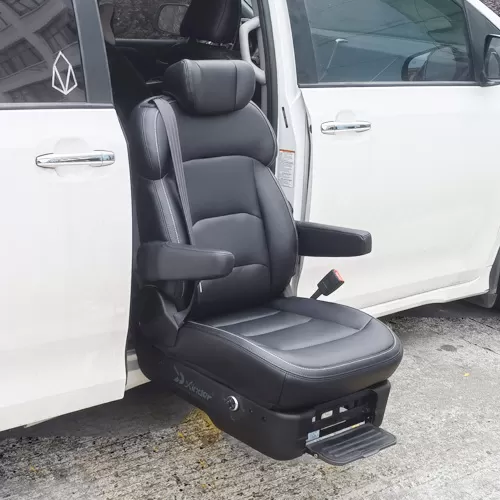
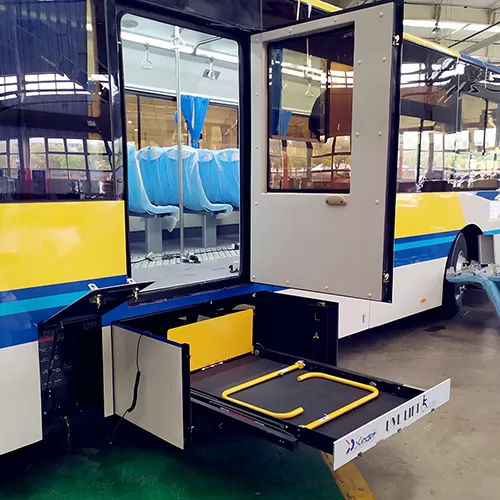
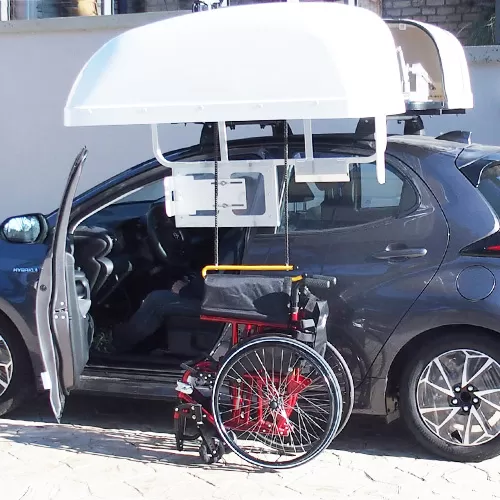
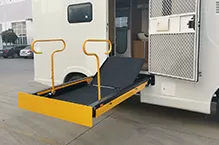
A hydraulic wheelchair lift for a van is a powered platform system that raises and lowers a wheelchair between ground level and vehicle floor height. It uses hydraulic pressure to generate lifting force, allowing smooth and controlled vertical movement. Hydraulic systems operate by pushing fluid into a cylinder to extend a piston, lifting the platform steadily even under heavy loads. Because of this mechanism, hydraulic lifts are widely used in:
Wheelchair accessible vans
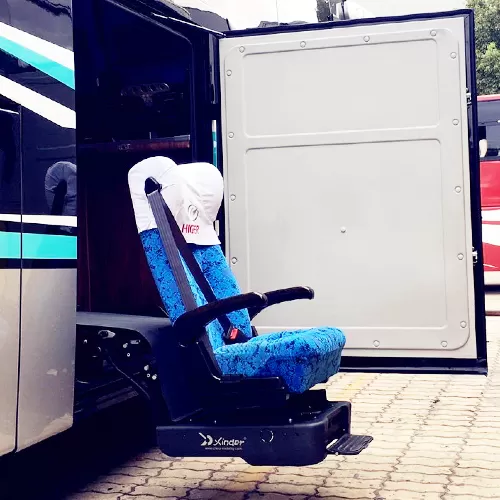
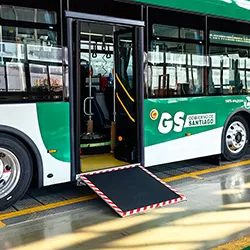
Public transport vehicles
Commercial mobility solutions
They are especially suitable when high load capacity and durability are required.
Hydraulic vs Electric Wheelchair Lifts for Vans
When comparing electric wheelchair lifts for vans with hydraulic systems, the key differences come down to performance, maintenance, and usage scenarios.
Hydraulic wheelchair lifts
Higher weight capacity, often exceeding 500 lbs
Strong and stable lifting for power wheelchairs
Better suited for frequent or heavy-duty use
Require regular maintenance (fluid, seals)
Electric wheelchair lifts
Quieter operation and smoother control
Lower maintenance requirements
Typically lower load capacity (300–500 lbs range)
Ideal for light to moderate daily use
In practical terms:
Choose hydraulic for heavy users, commercial use, or high-frequency operation
Choose electric for quieter environments and simpler maintenance
Types of Car Wheelchair Lifts for Sale
Understanding lift types is essential before evaluating any hydraulic wheelchair lift for a van for sale.
1. Under Van Wheelchair Lift
An under van wheelchair lift is installed beneath the vehicle floor and deploys outward when needed. Key features:
Trade-off:
2. Interior Platform Lift
Installed inside the van, typically near the side or rear door. Advantages:
Limitations:
3. Rear Entry Lift
Mounted at the rear of the vehicle. Best for:
Less common in tight urban environments where rear clearance is limited.
Key Factors When Choosing a Hydraulic Wheelchair Lift
1. Load Capacity and Safety Margin
Always calculate total load:
A recommended guideline is to choose a lift rated at least 150 percent of your actual load to ensure safe operation and longevity.
2. Vehicle Compatibility
Not all vans are equally suitable. Check:
Door dimensions and floor height
Structural support for mounting
Available installation space
Popular van platforms may support lifts, but compatibility still varies by configuration.
3. Installation Type and Space Constraints
Your choice between:
depends on:
Available interior space
Frequency of use
User independence needs
For example:
4. Power Requirements
Hydraulic systems typically run on the vehicle’s electrical system and may draw significant current during operation. Consider:
Ignoring this can lead to power drain or unreliable performance.
5. Maintenance Requirements
Hydraulic systems are durable but require periodic maintenance:
Without proper maintenance, performance may degrade over time.
6. Safety Features
A reliable car wheelchair lift for sale should include:
Hydraulic systems often include controlled descent features, improving safety during operation.
Common Mistakes to Avoid
Many buyers make avoidable errors when choosing a hydraulic wheelchair lift for a van:
Choosing based only on price
Ignoring total load calculations
Overlooking installation constraints
Not considering long-term maintenance
Selecting the wrong lift type for the vehicle layout
These mistakes often result in higher costs and reduced usability.
How to Choose the Right Lift for Your Needs
To simplify your decision:
1. Define your use case
2. Calculate actual load requirements
3. Choose lift type
4. Compare hydraulic vs electric based on usage frequency
5. Verify vehicle compatibility before purchase
How Xinder Approaches Wheelchair Lift Solutions
Xinder focuses on practical mobility integration for vehicle environments. Instead of emphasizing only specifications, the approach centers on:
Matching lift type to real vehicle conditions
Ensuring safe and stable operation
Supporting long-term reliability in daily use
This aligns with the actual needs of users and accessibility solution providers.
Conclusion
Choosing the right hydraulic wheelchair lift for a van requires more than comparing product specifications. It involves understanding your vehicle, usage scenario, and long-term operational needs. By focusing on:
Load capacity and safety margin
Lift type and installation method
Hydraulic vs electric performance differences
Maintenance and power requirements
You can confidently select a system that delivers safe, reliable, and efficient wheelchair access.











 English
  한국어
한국어  français
  Deutsch
  Español
  italiano
  русский
  português
  Malay
Malay  Indonesia
  العربية